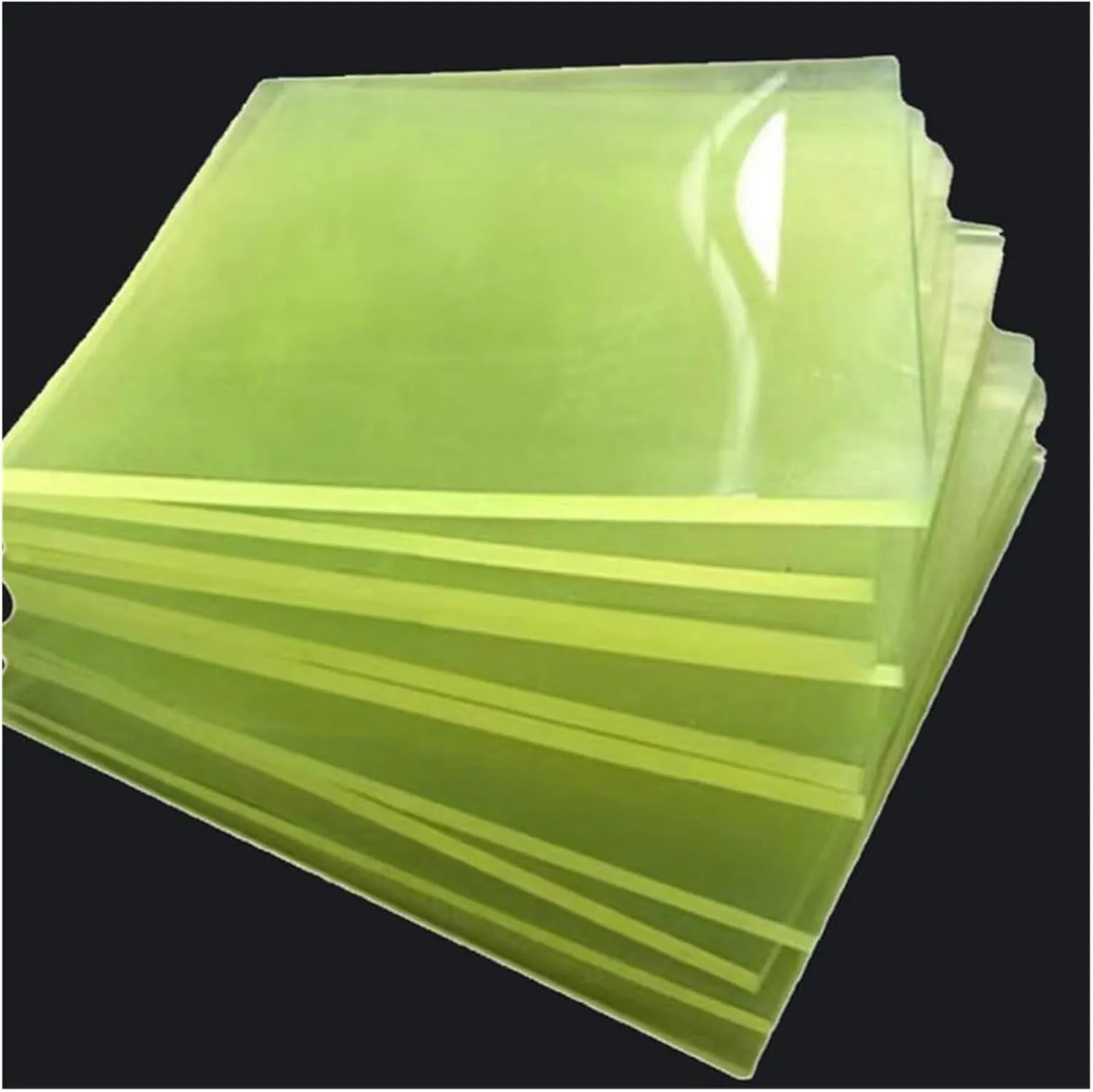
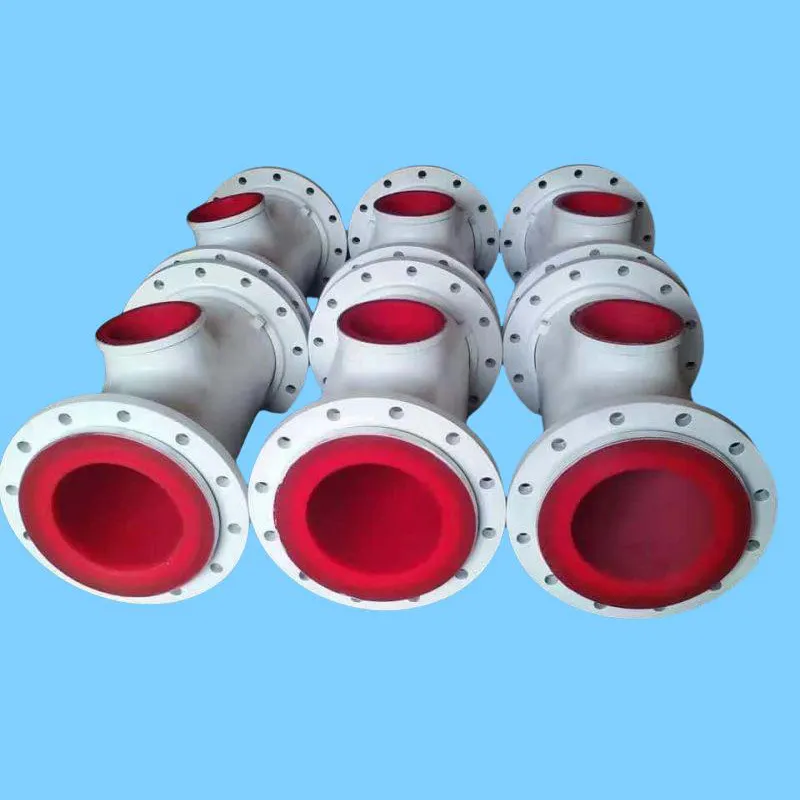
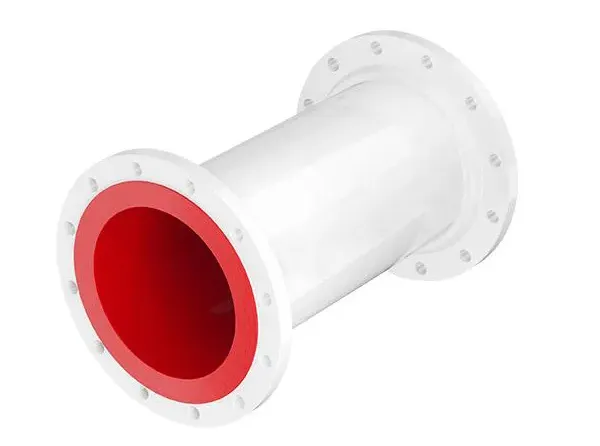
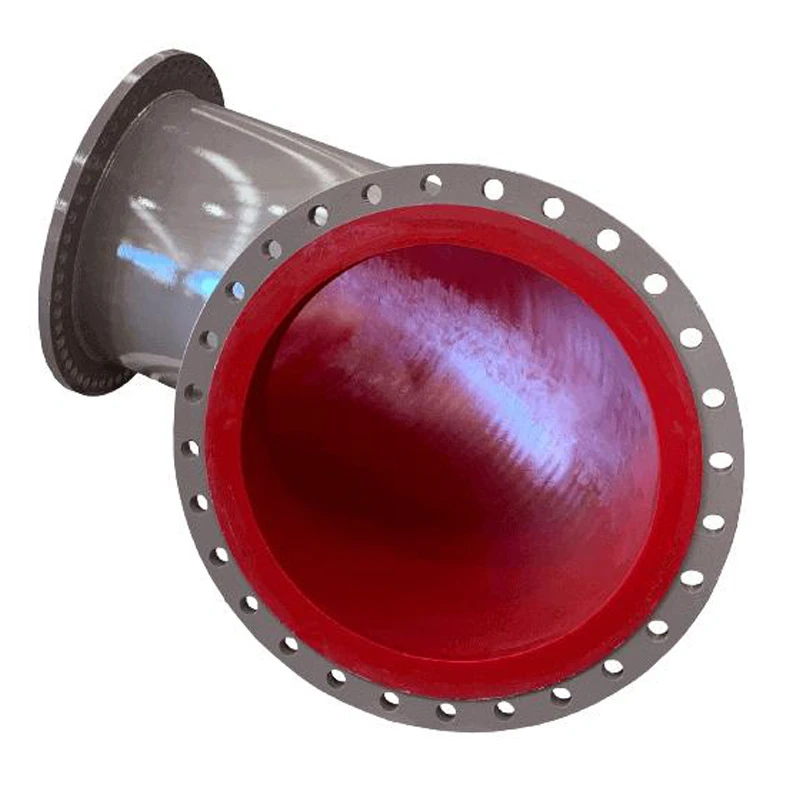
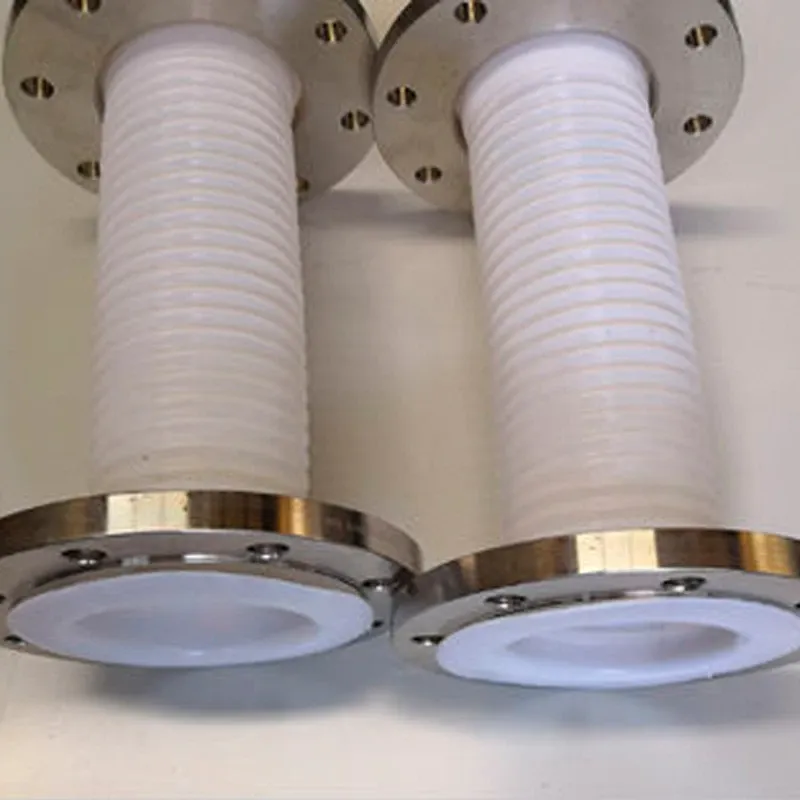
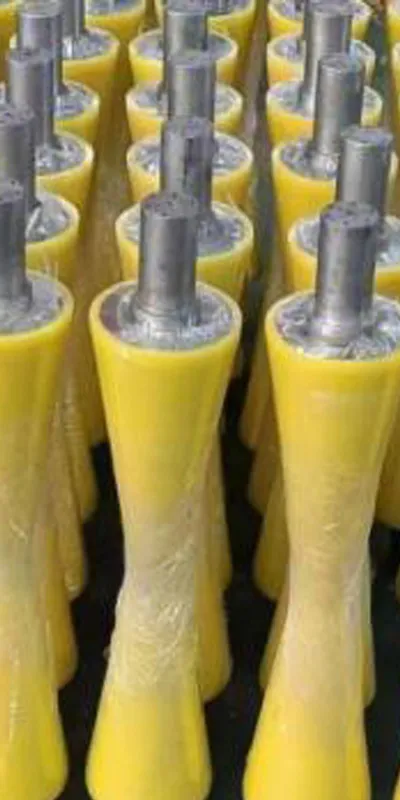
Elevating Industrial Performance with Advanced Lined Pipe Fittings In demanding industrial environments, the longevity and reliability of piping systems are paramount. Conventional metallic pipes often succumb to severe abrasion, corrosion, and erosion, leading to frequent maintenance, operational downtime, and significant cost burdens. This is where high-performance lined pipe fittings emerge as critical components, offering superior protection and extended service life. These specialized fittings combine the structural integrity of steel or other robust metals with the exceptional resistance properties of advanced polymer or ceramic linings. Industry Trends Driving Demand for Advanced Lined Solutions The industrial landscape is constantly evolving, with several key trends amplifying the need for robust piping solutions. Firstly, the push for increased operational efficiency and reduced total cost of ownership (TCO) mandates components that require minimal maintenance and boast extended lifespans. Secondly, stringent environmental regulations and safety standards necessitate leak-proof, highly resistant systems, particularly when handling hazardous or corrosive media. Lastly, the growth in sectors like mining, chemical processing, and wastewater treatment, which frequently deal with abrasive slurries and aggressive chemicals, directly fuels the demand for high-quality lined pipe manufacturers capable of delivering bespoke solutions. These trends collectively underscore the critical role of advanced lining technologies in modern industrial infrastructure. The Precision Manufacturing Process of Lined Pipe Fittings The creation of high-quality lined pipe fittings is a meticulous process that combines advanced metallurgical techniques with specialized polymer or ceramic application methods. Focusing on the Polyurethane Lined Elbow Pipe, the manufacturing process is designed to ensure maximum adhesion, uniform thickness, and exceptional resistance properties. Detailed Process Flow: Outer Casing Production (e.g., Elbow Pipe): The foundational component, typically an elbow pipe, is manufactured from robust materials like carbon steel, stainless steel, or alloy steel. This involves processes such as casting or forging to achieve the required structural integrity and precise dimensions. Subsequent CNC machining ensures flange faces and bolt holes meet stringent standards like ANSI B16.5. Surface Preparation: The interior surface of the metal casing undergoes extensive cleaning and preparation. This typically includes abrasive blasting (e.g., SA 2.5 standards) to create a rough profile, removing contaminants, rust, and scale. This critical step ensures optimal mechanical bonding between the metal substrate and the lining material. Liner Material Preparation: For Polyurethane Lined Elbow Pipes, high-grade polyurethane resins are prepared. These are typically multi-component systems (e.g., isocyanates and polyols) that are accurately measured and mixed to achieve the desired hardness, flexibility, and chemical resistance specific to the application. Liner Application (Rotational Molding/Pouring): The prepared polyurethane mixture is introduced into the pre-treated pipe fitting. For complex geometries like elbows, rotational molding or precise pouring techniques are employed to ensure a uniform and void-free lining thickness throughout the internal surface. This method allows for excellent adhesion and contouring. Curing Process: After application, the polyurethane liner undergoes a controlled curing process. This involves maintaining specific temperature and humidity conditions for a predetermined duration to allow the polymer to cross-link and achieve its full mechanical and chemical properties. Proper curing is vital for liner durability and adhesion. Final Machining & Finishing: Post-curing, any necessary final machining is performed, such as trimming excess liner material from flange faces or ensuring bore alignment. The exterior of the fitting may be coated or painted for additional corrosion protection and aesthetic finish. Quality Control & Testing: Each lined pipe fittings undergoes rigorous inspection and testing. This includes: Dimensional checks according to standards like ISO 2858 and ANSI B16.5. Visual inspection for surface defects, uniform liner thickness, and proper adhesion. Non-destructive testing (NDT) such as spark testing for pinholes in the liner, hydrostatic pressure testing for integrity, and adhesion tests. These stringent manufacturing and testing protocols, often aligned with ISO 9001 quality management systems, ensure that lined pipe fittings offer an impressive service life, often extending 5 to 10 times beyond that of unlined components. They are engineered for demanding target industries such as petrochemical, metallurgy, mining, and water supply & drainage, delivering advantages like significant energy savings due to smoother flow and unparalleled corrosion and abrasion resistance in typical application scenarios. Technical Specifications and Parameters: Polyurethane Lined Elbow Pipe Understanding the precise technical specifications of polyurethane lined elbow pipes is crucial for optimal system design and performance. These parameters define the operational limits and suitability for various industrial processes. Polyurethane Liner Properties Property Value/Range Test Standard Hardness (Shore A) 60 - 95 ASTM D2240 Tensile Strength 30 - 60 MPa ASTM D412 Elongation at Break 400% - 700% ASTM D412 Abrasion Resistance (Taber, mg loss) < 50 mg (1000 cycles, H-18 wheel) ASTM D4060 Temperature Range (Continuous) -30°C to +80°C Manufacturer Spec Chemical Resistance Excellent to dilute acids, alkalis, oils, fats Internal Testing Polyurethane Lined Elbow Pipe Specifications Parameter Details/Range Nominal Diameter (DN) DN50 (2") to DN1000 (40") Pressure Rating PN10, PN16, PN25, ANSI 150#, 300# Elbow Angle 15°, 30°, 45°, 60°, 90°, Custom Bend Radius Short Radius (1D), Long Radius (1.5D), Custom Outer Pipe Material Carbon Steel (ASTM A234 WPB), Stainless Steel (ASTM A403 WP304/316), etc. Liner Thickness 5mm to 30mm, depending on diameter and application Flange Type Raised Face (RF), Flat Face (FF), Ring Type Joint (RTJ), Lap Joint Operating Temperature (System) -20°C to +70°C (subject to specific media) These detailed specifications allow engineers and project managers to select the appropriate lined pipe fittings that precisely match their operational requirements, ensuring robust performance and longevity even in the most challenging industrial settings. Application Scenarios and Technical Advantages The inherent properties of lined pipe fittings make them indispensable across a spectrum of industries where traditional piping solutions fall short. Their robust design, combining a durable outer shell with a highly resistant inner lining, addresses common challenges such as wear, chemical degradation, and material build-up. Key Application Scenarios: Mining and Mineral Processing: Transport of highly abrasive slurries containing rock fragments, ore, and tailings. Lined elbows, in particular, are critical in areas of high impact and directional changes, significantly outperforming unlined steel in wear life. Chemical and Petrochemical Industries: Handling corrosive acids, alkalis, solvents, and various chemical effluents. The chemical inertness of linings like PTFE or high-density polyurethane ensures the integrity of process streams and prevents system degradation, including specialized applications like corrosive fuel pipe elbow lines. Power Generation: Conveyance of ash slurry, flue gas desulfurization (FGD) wastewater, and cooling water. Lined fittings mitigate erosion from particulate matter and corrosion from acidic byproducts. Water and Wastewater Treatment: Transfer of raw sewage, clarified water, and various chemical reagents (e.g., coagulants, disinfectants). Resistance to biological growth and corrosive additives is paramount. Pulp and Paper Industry: Transport of fibrous slurries and corrosive bleaching agents, where both abrasion and chemical resistance are simultaneously required. Dredging and Sand Transport: Moving high-velocity sand and gravel slurries, where extreme abrasion is the primary challenge. Technical Advantages: Superior Abrasion Resistance: Polyurethane liners, for instance, offer exceptional resistance to wear from abrasive slurries, outperforming steel and other alloys multiple times over. This significantly extends the service life of the piping system. Excellent Corrosion Resistance: The non-metallic lining forms an impenetrable barrier against corrosive chemicals, preventing degradation of the metal casing and contamination of the transported media. Reduced Maintenance and Downtime: By resisting wear and corrosion, these fittings drastically decrease the frequency of repairs and replacements, leading to substantial cost savings and improved operational uptime. Improved Flow Characteristics: The smooth surface of many polymer liners reduces friction coefficients compared to rougher metallic surfaces, leading to lower pressure drops and potentially energy savings in pumping operations. Impact and Noise Absorption: Flexible linings like polyurethane can absorb kinetic energy from impacts, reducing wear and contributing to a quieter operational environment. Cost-Effectiveness: While the initial investment might be higher than unlined alternatives, the extended service life, reduced maintenance, and improved efficiency translate into a significantly lower total cost of ownership over the operational lifespan. These clear advantages position lined pipe fittings as the preferred solution for engineers and procurement professionals facing challenging fluid transfer requirements, directly contributing to enhanced plant reliability and profitability. Vendor Comparison and Customized Solutions Selecting the right supplier for lined pipe fittings is a strategic decision that directly impacts project success and long-term operational costs. The market for industrial pipe fittings, including specialized lined products, features various manufacturers with differing capabilities, material expertise, and service offerings. A thorough vendor comparison, coupled with the availability of customized solutions, is crucial. Key Factors for Vendor Comparison: Feature/Criterion Manufacturer A (Generic High-Quality) Manufacturer B (Generic Standard) Lining Material Options Polyurethane, PTFE, Rubber (Natural/Synthetic), Ceramic, PP, PVDF Polyurethane, Natural Rubber Outer Casing Materials Carbon Steel (ASTM A234), Stainless Steel (304, 316), Alloys Carbon Steel Manufacturing Certifications ISO 9001, CE, ASTM, API ISO 9001 Quality Control & Testing Hydrostatic, Adhesion, Spark Testing, Ultrasonic, Dimensional (100% inspection) Hydrostatic, Visual Inspection (Sample basis) Customization Capabilities Extensive: Bore, thickness, material, complex geometries, special coatings Limited: Standard dimensions, basic material changes Lead Time (Standard Orders) 4-6 Weeks (Negotiable for urgent projects) 6-8 Weeks After-Sales Support Technical consultation, installation guidance, warranty, spare parts Basic warranty The Value of Customized Solutions: While standard lined pipe fittings address many common industrial needs, unique operational challenges often necessitate bespoke designs. Leading lined pipe manufacturers excel in offering customized solutions that precisely match specific project requirements. This includes: Application-Specific Liner Materials: Tailoring the lining material to combat a unique combination of extreme abrasion, high temperature, or specific chemical aggressors. For instance, a highly resilient polyurethane for impact abrasion versus a chemically inert PTFE for strong acids. Non-Standard Dimensions and Geometries: Producing fittings with custom diameters, wall thicknesses, bend radii, or complex configurations to fit existing infrastructure or optimize flow dynamics in confined spaces. Advanced Outer Casing Materials: Utilizing exotic alloys or high-strength steels for the outer shell to withstand extreme pressure, temperature, or external corrosive environments. Specialized Coatings and Finishes: Applying external coatings for enhanced UV resistance, further corrosion protection, or aesthetic requirements. Engaging with manufacturers who possess robust engineering and R&D capabilities for customization ensures that the final product not only meets but often exceeds operational expectations, providing unparalleled reliability and efficiency. Application Case Studies & Establishing Trust and Authoritativeness Real-world evidence of successful implementation is crucial for demonstrating the efficacy and value of industrial solutions. These case studies highlight the tangible benefits achieved through the deployment of high-quality lined pipe fittings . Our commitment to quality and customer success is underpinned by rigorous certifications, strong partnerships, and years of dedicated service. Case Study 1: Mining Slurry Transport Optimization Challenge: A prominent copper mining operation in South America faced severe wear in their slurry transport pipelines, particularly at high-velocity elbow bends. Conventional steel elbows required replacement every 6-9 months, leading to significant downtime and maintenance costs totaling over $750,000 annually. Solution: We supplied custom-engineered polyurethane lined pipe fittings, specifically 90-degree elbows, designed to withstand extreme abrasive conditions. The lining thickness was optimized based on slurry composition and flow rates. Results: After a comprehensive 4-year monitoring period, the polyurethane-lined elbows demonstrated an average service life of over 4 years, a dramatic improvement over the previous 6-9 months. This translated to an estimated reduction in maintenance expenditure by 80% and minimized operational interruptions. The client reported a 70% reduction in elbow replacements over a 3-year period, resulting in a direct cost saving exceeding $1.5 million. Case Study 2: Chemical Plant Corrosive Effluent Line Upgrade Challenge: A major chemical processing plant experienced frequent failures in their effluent lines handling hot, concentrated sulfuric acid and other corrosive byproducts. Unlined stainless steel pipes were corroding within 12-18 months, posing severe safety risks and environmental concerns. Solution: We provided a complete system upgrade using PTFE (Polytetrafluoroethylene) lined pipe fittings, including straight sections and custom-fabricated elbows. PTFE was selected for its exceptional chemical inertness across a broad pH and temperature range. Results: The PTFE lined system has been in continuous operation for over 6 years without any signs of corrosion or leakage, far exceeding the client's previous experience. This success not only eliminated safety hazards and environmental risks but also resulted in a 90% reduction in replacement costs for these critical lines. Test data showed zero material degradation after exposure to specific chemical concentrations, validating the lining choice. Commitment to Authoritativeness and Trustworthiness: Our dedication to providing top-tier industrial solutions is reflected in our adherence to global standards and long-standing industry presence. We hold ISO 9001 certifications for quality management, ensuring consistency and reliability across all manufacturing processes. Our products also conform to international material and dimensional standards such as ASTM and ANSI. With over two decades of experience, we have proudly served a global clientele, including major petrochemical corporations, leading mining groups, and municipal water authorities. Our relationships are built on consistent performance, verified product certifications, and a proven track record of solving complex industrial challenges. Ensuring Trust: FAQs, Lead Times, Warranty, and Support Transparency and robust support are fundamental to building lasting trust with our B2B partners. This section addresses common inquiries, outlines our operational timelines, details warranty commitments, and explains our comprehensive customer support infrastructure. Frequently Asked Questions (FAQs): What is the typical lifespan of your lined pipe fittings compared to unlined alternatives? Our lined pipe fittings typically offer a service life that is 3 to 10 times longer than unlined metallic pipes, depending on the specific application, media characteristics, and liner material selected. This significantly reduces replacement cycles and operational costs. Can your lined products handle high temperatures and pressures? Yes, our products are engineered for a wide range of operating conditions. The maximum temperature and pressure ratings depend on the specific lining material and outer casing material. For instance, PTFE linings can handle higher temperatures (up to 200°C) and pressures compared to standard polyurethane. Please refer to our detailed product specifications or consult with our technical team for specific applications. How do lined pipe fittings prevent contamination of transported media? The non-corrosive and chemically inert nature of our liners (e.g., polyurethane, PTFE) creates a barrier that prevents the metal casing from coming into contact with the fluid. This eliminates metallic ion leaching and corrosion byproducts, ensuring the purity of the transported media, which is crucial for sensitive industries like pharmaceuticals or food processing. Are your lined fittings suitable for vacuum service? Certain types of lined fittings, particularly those with a robust, bonded lining, are suitable for vacuum service. However, it's crucial to specify vacuum requirements during the inquiry phase, as special design considerations and testing are required to prevent liner collapse. Our technical experts can advise on suitable solutions. Lead Time and Fulfillment: We understand the importance of timely project execution. Our standard lead time for most lined pipe fittings orders ranges from 4 to 6 weeks, depending on product complexity, quantity, and current production schedule. For urgent requirements or large-scale projects, we offer expedited manufacturing options and work closely with clients to meet critical deadlines. Specific lead times will be provided with each quotation. Warranty Commitments: All our lined pipe fittings are backed by a comprehensive 12-month warranty against manufacturing defects, effective from the date of shipment. This warranty covers material and workmanship under normal operating conditions and proper installation as per industry standards. Full warranty terms and conditions are available upon request. Our commitment is to deliver products of the highest quality and reliability. Customer Support and After-Sales Service: Our dedication to our customers extends beyond the initial sale. We provide extensive after-sales support to ensure optimal performance and longevity of our products. This includes: Technical Assistance: Our team of experienced engineers is available to provide technical consultation, troubleshoot issues, and offer guidance on product selection, installation, and maintenance. Documentation and Manuals: Comprehensive product documentation, installation guides, and maintenance recommendations are provided with every order. Spare Parts & Replacements: We maintain a stock of common components and can expedite production for critical replacements to minimize any potential downtime. On-site Support: For complex installations or troubleshooting, our technical experts can provide on-site assistance when required. Our responsive customer support team is committed to ensuring your complete satisfaction and the sustained performance of your industrial systems. Conclusion The continuous evolution of industrial processes, marked by increasingly aggressive media and higher operational demands, necessitates robust and reliable infrastructure. Lined pipe fittings , particularly advanced solutions like the Polyurethane Lined Elbow Pipe, represent a pivotal technology in achieving this goal. By offering unparalleled resistance to abrasion, corrosion, and erosion, these fittings significantly extend the lifespan of piping systems, drastically reduce maintenance costs, and enhance overall operational efficiency and safety. Investing in high-quality lined solutions from reputable lined pipe manufacturers is not merely a procurement decision; it is a strategic commitment to long-term operational resilience, environmental responsibility, and economic advantage in challenging industrial landscapes. References American Society for Testing and Materials (ASTM) Standards for Plastics, Rubbers, and Metals. International Organization for Standardization (ISO) 9001:2015 - Quality Management Systems. Technical papers and research on wear mechanisms in slurry pipelines and corrosion resistance of polymer linings. Industry reports on global market trends for industrial pipeline coatings and linings.